Advertising Stratergies

How Influencer and Paid Media Campaigns Complement Each Other

June 30, 2026
By Durga Thakkar
5 MIN
Table of Contents

In today’s fast-evolving digital landscape, modern brands can no longer afford to run social media marketing and paid advertisement campaigns in isolated departmental silos. When organic creator partnerships and paid advertising streams are executed as separate initiatives, organisations miss out on the compounding returns of unified campaigns. Integrating creative influencer content with precision-targeted paid media ensures that every ad creative resonates deeply with high-intent buyers. By deploying comprehensive Performance Marketing Services, organisations can successfully merge these distinct channels, maximising their return on ad spend and converting raw audience attention into sustainable, repeatable customer acquisition pipelines for long-term corporate growth goals.

Recent industry data highlights the growing importance of this combination. In the 2025 Influencer Marketing Benchmark Report, global influencer marketing spending is expected to reach $32.55 billion in 2025, up significantly from $24 billion in 2024. The report also found that multi-platform campaigns consistently outperform single-channel initiatives. (Statista)

At the same time, Nielsen's 2025 Annual Marketing Report found that marketers are increasing investments across emerging paid channels, with 56% planning to increase OTT/CTV advertising spend and 65% recognizing retail media networks as a growing part of their media strategy. (Nielsen)

How Paid Media Amplifies Influencer Marketing Results

Relying solely on organic social media reach is a failing marketing strategy. Platforms like Meta restrict organic visibility. By merging organic creator content with paid advertising distribution, modern brands can successfully bypass algorithmic caps and distribute high-performing assets to highly segmented demographics.

  • Defeating Algorithmic Organic Reach Caps: Running organic creator content as paid advertisements bypasses social network filters. This hybrid approach allows high-performing media assets to reach millions of prospects.

  • Targeting Precision High-Intent Demographics: Paid media channels allow brands to define custom demographics for creator assets. This ensures authentic customer testimonials are displayed exclusively to receptive buyers.

  • Sustaining Long-Term Campaign Momentum: Organic social posts lose 90% of their engagement within 48 hours. Paid distribution extends the lifespan of successful influencer videos for months.

  • Capitalising on Verified Creator Credibility: Consumers ignore branded ads but trust recommendations from authentic content creators. Paid media distributes these trustworthy endorsements directly to key target lists.

  • Lowering Strategic Customer Acquisition Costs: Combining creator authority with paid targeting yields higher social conversion rates. This conversion boost significantly reduces costs for modern digital brands.

Maximising ROAS Through Creative Asset Optimisation

Ad creative fatigue remains one of the biggest challenges facing digital marketers today. As audiences are repeatedly exposed to the same advertisements, engagement rates decline, click-through rates drop, and acquisition costs rise. To maintain campaign performance, brands must continuously refresh their creative assets and experiment with new content formats. Influencer marketing provides a scalable solution by generating a steady stream of authentic, platform-native content that resonates with target audiences. When combined with professional Performance Marketing Services, brands can systematically test, optimise, and scale high-performing creative assets to maximise return on ad spend (ROAS).

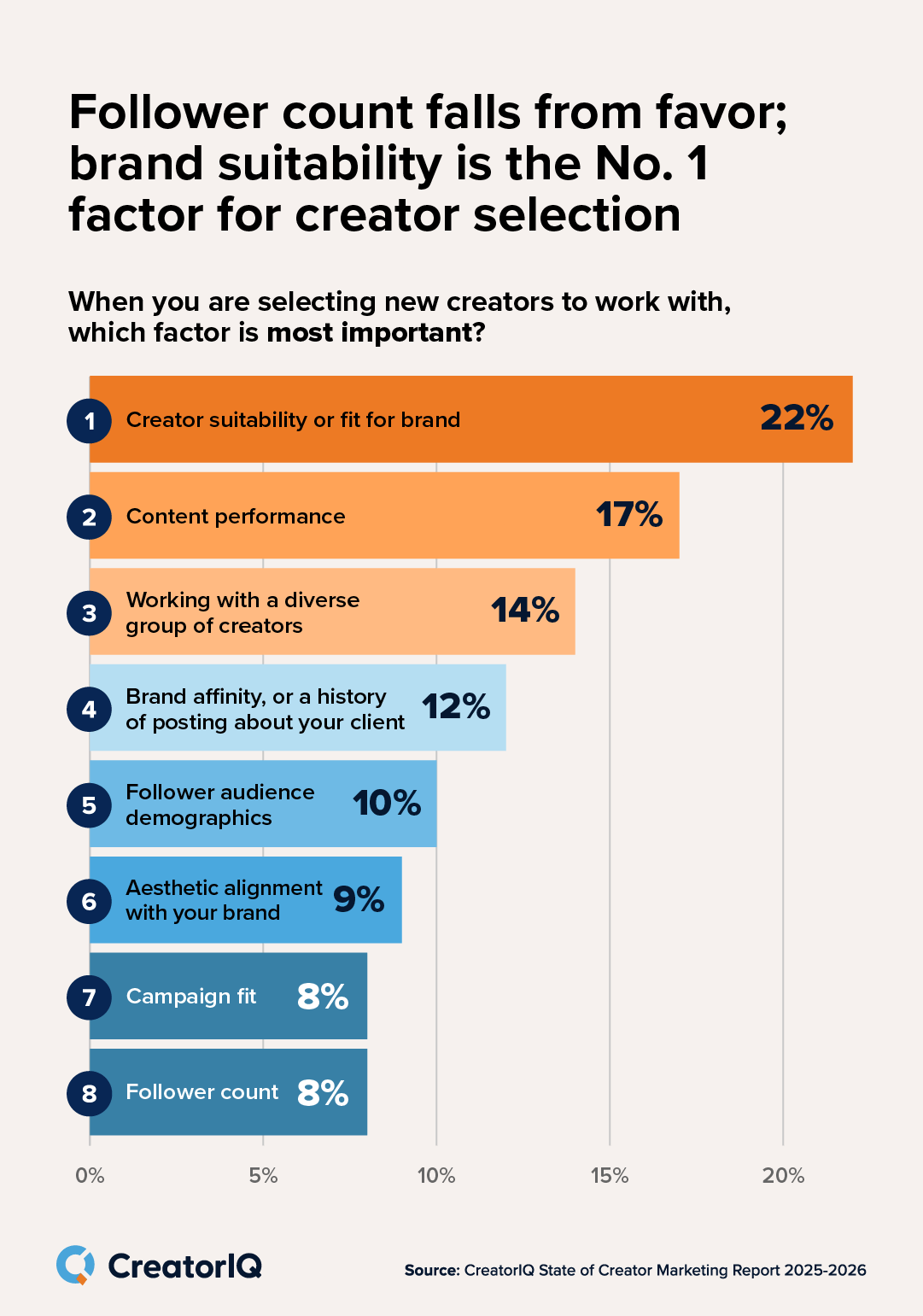
This approach has become increasingly popular among marketers. CreatorIQ's 2025 research found that creator marketing budgets increased by 171% year-over-year, with many organisations reallocating funds from traditional advertising channels due to stronger ROI and measurable performance outcomes. The study also revealed that 71% of organisations planned to increase their creator marketing investments, highlighting the growing role of influencer-generated content in performance-driven campaigns. (CreatorIQ)
  • Combating High Ad Creative Fatigue: Repeated exposure to the same advertisements often causes audiences to lose interest. Influencer partnerships provide a continuous flow of fresh content, helping brands maintain engagement and prevent creative burnout across paid campaigns.

  • Slicing Production and Editing Expenses: Traditional ad production can be expensive and time-consuming. Influencer-generated content offers a cost-effective alternative by delivering high-quality videos, reviews, and product demonstrations without extensive production resources.

  • Conducting Systematic Rapid A/B Testing: Different creators naturally present products in unique ways. Brands can test multiple content variations simultaneously to identify which messages, visuals, and formats generate the strongest engagement and conversions.

  • Boosting Return on Ad Spend: Creator-generated content often feels more authentic than traditional advertisements, leading to higher engagement and conversion rates. This improved performance helps brands maximise the value of their advertising budgets.

  • Standardising Agile Creative Optimisation: Real-time analytics enable marketers to identify top-performing creative assets quickly. Brands can then refine successful content styles and scale winning campaigns to sustain long-term performance.

  • Extending the Lifespan of High-Performing Content: Unlike traditional advertisements that quickly lose relevance, successful influencer content can be repurposed across multiple paid channels. Brands can use creator assets in social ads, retargeting campaigns, landing pages, and video promotions, increasing the overall return on their content investment.

Stop wasting valuable advertising spend, collaborate with Scratchpad to build highly optimised marketing campaigns.

Scaling Conversions via Influencer Whitelisting Systems

Influencer whitelisting has emerged as one of the most effective ways to combine the authenticity of creator marketing with the precision of paid advertising. By allowing brands to run advertisements directly through a creator's social media account, whitelisting creates a seamless experience that feels more organic and trustworthy to consumers. This strategy enables businesses to leverage influencer credibility while gaining greater control over targeting, optimisation, and campaign scaling.

The Indian influencer marketing industry is projected to grow by 25% in 2025, reflecting increasing confidence in creator-led strategies. Additionally, more than two-thirds of Indian consumers rely on influencers for product discovery and purchase decisions. The report also found that 72% of brands prefer long-term creator partnerships, indicating a shift toward integrated, sustained marketing strategies rather than one-off campaigns. (India Brand Equity Foundation)

  • Cultivating Unmatched Organic Trust Signals: Consumers are more likely to engage with advertisements that appear to come from trusted creators rather than brand accounts. Whitelisted ads feel like genuine recommendations, helping brands build credibility and improve conversion rates.

  • Unlocking Access to High-Intent Audiences: Whitelisting allows brands to target audiences that have already engaged with an influencer's content. These highly relevant audience segments often deliver stronger engagement and purchase intent than broader advertising audiences.

  • Improving Click-Through and Conversion Rates: Creator-led advertisements frequently outperform traditional brand creatives because they feel more authentic and relatable. This often results in higher click-through rates, stronger engagement, and increased conversions.

  • Leveraging Advanced Audience Targeting: Brands can combine influencer content with paid media targeting tools to reach users based on demographics, interests, behaviours, and purchase intent. This precision helps maximise campaign efficiency and reduce wasted ad spend.

  • Enabling Flexible Creative Testing: Whitelisting allows marketers to test multiple creator assets, messaging styles, and audience segments simultaneously. These insights help identify the highest-performing combinations and optimise campaigns faster.

  • Scaling Successful Influencer Content: Instead of relying solely on an influencer's organic reach, brands can amplify top-performing creator content through paid promotion. This significantly expands campaign reach while preserving the authenticity of the original post.

  • Strengthening Long-Term Creator Partnerships: Whitelisting encourages greater collaboration between brands and creators. By sharing campaign performance insights and optimisation strategies, both parties can refine future campaigns and build more effective long-term partnerships.

Enhancing Social Commerce with Integrated Performance Data

According to Nielsen's 2025 Annual Marketing Report, marketers are increasingly prioritising data-driven decision-making and measurable performance as they adapt to changing technologies and media environments. (Nielsen)

The sudden integration of in-app checkout features has compressed the traditional sales funnel into a single online interaction. Modern consumers can now discover products through creator videos and complete checkout without leaving social platforms. Brands utilise coordinated campaign metrics to scale these immediate transactions while protecting customer satisfaction at scale. 

  • Capturing Spontaneous Digital Impulse Purchases: Recent studies show that approximately 81% of consumers make impulse purchases. Social commerce features and frictionless checkout experiences allow brands to convert creator-driven engagement into immediate sales. When supported by Performance Marketing Services, these campaigns can effectively capitalise on high-intent moments and reduce drop-off during the buying process.

  • Resolving Complex Multi-Touch Attribution: Modern purchase journeys often involve multiple touchpoints before conversion. By using trackable links, UTM parameters, promo codes, and platform analytics, brands can accurately measure each influencer's contribution to campaign performance. This visibility enables marketers to optimise spending and make more informed investment decisions.

  • Capitalising on Micro-Creator Cost Efficiencies: Micro-influencers often generate significantly higher engagement rates than celebrity creators while requiring lower investment. Their niche audiences and stronger community connections make them valuable partners for localised campaigns. When paired with paid amplification, micro-influencer content can deliver exceptional reach and cost efficiency.

  • Improving Inventory and Demand Forecasting: Successful influencer campaigns can generate sudden spikes in demand. Integrating campaign performance data with inventory management systems helps brands anticipate traffic surges, prevent stockouts, and maintain a positive customer experience. This coordination is especially important during product launches and seasonal promotions.

  • Creating Long-Term Organic Discovery Opportunities:  Influencer-generated content can continue delivering value long after a campaign ends. By optimising videos, captions, and content assets for search visibility, brands can improve discoverability across social platforms and search engines. This evergreen content strategy extends campaign lifespan and contributes to sustained organic traffic growth.

Schedule a comprehensive digital campaign audit with Scratchpad to outpace your online market competitors.

Conclusion

The debate between influencer marketing and paid media is rapidly becoming irrelevant. The most successful brands no longer view these channels as separate marketing initiatives. Instead, they recognise that influencer campaigns and paid media campaigns perform best when they work together.

Influencers provide authenticity, trust, and community engagement. Paid media delivers scale, targeting precision, optimisation, and measurable performance. When combined, these strengths create a marketing framework capable of driving awareness, engagement, conversions, and long-term customer loyalty.

Industry trends clearly support this shift. Global influencer marketing spending is expected to exceed $32 billion in 2025, while brands continue increasing investments in data-driven advertising channels and creator partnerships. Organisations are moving beyond experimentation and treating creator marketing as a core performance channel because measurable results are becoming increasingly evident. (Later)

For businesses seeking sustainable growth in an increasingly competitive digital environment, integrating influencer marketing with paid advertising is no longer optional. Leveraging professional Performance Marketing Services enables brands to combine the trust-building power of creators with the scalability of paid media, creating campaigns that deliver stronger ROI, improved customer acquisition, and lasting competitive advantage.

Let Scratchpad transform your creative social media assets into a high-converting customer acquisition engine.

FAQs

1. What is the difference between influencer marketing and paid ads?
Influencer marketing builds trust through creators, while paid ads use targeted placements to increase reach, traffic, and conversions.


2. What is influencer whitelisting?

Running paid ads directly through a creator's personal social media profile handle.


3. What is an influencer campaign?
An influencer campaign is a partnership between a brand and a creator to promote products or services through social media content.


4. What is paid advertising?

Paid advertising is a marketing strategy where brands pay platforms like Google, Instagram, or Facebook to reach specific audiences.


5. What is the average ROI of combined influencer and social media campaigns in India?

Combined influencer and paid social campaigns in India can generate an average ROI of 5x–7x, depending on targeting, content quality, and campaign optimisation.
RECENT BLOGS

When SEO Becomes a Long-Term Growth Channel
How Technology Enables Smarter Marketing Strategies
How Influencer and Paid Media Campaigns Complement Each Other
Go Back